
There are roads that take you from A to B, and there are roads that change you. The Route 132 circuit around the Gaspé Peninsula belongs firmly in the second category. This 900-kilometre loop around a finger of land jutting into the Gulf of St. Lawrence delivers sea cliffs that drop vertically into the ocean, fishing villages where time moves at the speed of the tide, mountains that rise directly from the shore, and at the tip of the peninsula — the Rocher Percé, one of the world's most extraordinary natural monuments. Drive it slowly. Drive it twice.
Why the Gaspésie is Quebec's Greatest Road Trip
The Gaspé Peninsula (Péninsule de Gaspé in French, or simply "la Gaspésie") is Quebec's easternmost region — a 30,000-square-kilometre landmass bounded on three sides by water: the St. Lawrence River to the north, Baie des Chaleurs to the south, and the Gulf of St. Lawrence to the east. The interior is dominated by the Chic-Choc Mountains, an ancient range that is an extension of the Appalachians, where woodland caribou still roam and alpine meadows sit above the treeline.
What makes the Gaspésie extraordinary is the collision of mountain and sea. In few other places can you stand on a sea cliff, look up at mountains rising 1,000 metres above you, and watch a minke whale surface in the bay below. The region is also culturally distinct — deeply rural, fiercely proud, with a tradition of fishing, logging, and a particular brand of Québécois identity that feels more like the 19th century than the 21st.
A full Gaspésie circuit takes 7–10 days to do justice. For help building a complete Quebec road trip itinerary, use TripPlannerPro.com. For inspiration on combining Gaspésie with New Brunswick or Nova Scotia, visit CanadaBestSpots.com.
The Route: How to Drive the Gaspésie
Suggested 8-Day Gaspésie Circuit
The 7 Best Stops on the Gaspésie Circuit
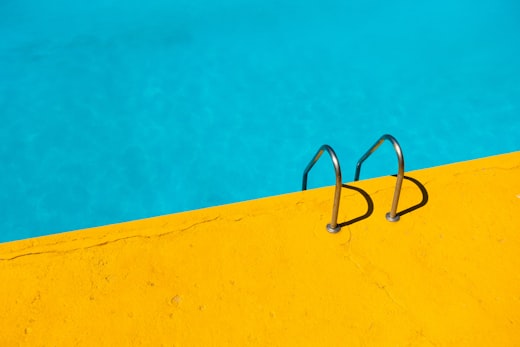
Jardins de Métis — Canada's Most Extraordinary Garden
In a region better known for cliffs and fish, the Jardins de Métis (Reford Gardens) comes as a shock — in the best possible way. Created from 1926 onwards by Elsie Reford, a passionate amateur gardener, the gardens cover 17 hectares on the south shore of the St. Lawrence and contain over 3,000 plant species. In a climate that should theoretically prevent such exuberance, the gardens bloom extravagantly from late June to September. The famous Blue Poppy alley — Himalayan blue poppies thriving 6,000km from their native soil — is one of the most beautiful horticultural sights in Canada.
Every summer, the International Garden Festival installs contemporary garden installations throughout the grounds — changing the landscape with each season.
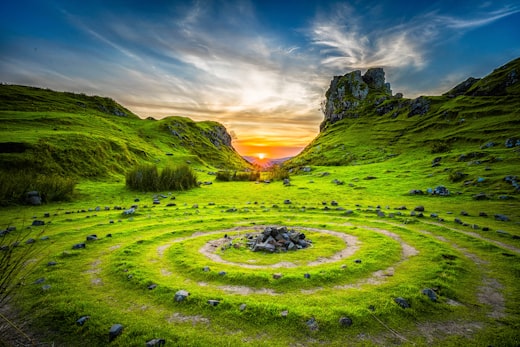
Parc de la Gaspésie — Mountains, Caribou, and Alpine Solitude
The interior of the Gaspé Peninsula rises to the Chic-Choc Mountains — the highest peaks in Quebec east of James Bay. Parc de la Gaspésie protects this extraordinary landscape: 802 square kilometres of boreal forest, alpine meadows, and rocky summits. Mont Jacques-Cartier (1,268m) is the park's highest point and one of the few places in southern Quebec where you can hike above the treeline, where woodland caribou graze and arctic-alpine plants survive.
The park offers excellent multi-day backpacking routes, day hikes to the summits, moose sightings along the valley roads at dawn and dusk, and world-class cross-country and backcountry skiing in winter. The park's main access road branches off Route 132 at Sainte-Anne-des-Monts.

Forillon National Park — The Wild Tip of Quebec
Forillon occupies the very tip of the Gaspé Peninsula — a dramatic limestone promontory where the peninsula ends in cliffs plunging into the Gulf of St. Lawrence. Parks Canada has managed this 244-square-kilometre park since 1970, and the result is a remarkable combination of dramatic coastal scenery, rich marine life, and cultural history. The cap Gaspé trail leads through boreal forest to a headland where you can see seals, black bears, minke whales, and on clear days — the Anticosti Island and the outlines of the Maritime provinces.
The park's historic Grande-Grave site preserves the wooden buildings of a 19th-century fishing community, offering insight into the Gaspésie's cod-fishing heritage. Sea kayaking along the cliffs is extraordinary.

Rocher Percé — Quebec's Most Iconic Natural Monument
Rocher Percé is a vast limestone monolith rising 88 metres from the sea just off the shore of the village of Percé — a pierced rock with an enormous natural arch worn through its base. It is one of Quebec's most photographed natural wonders, and the reality exceeds the photographs. At low tide, you can walk across the ocean floor to the base of the rock (though the tide comes in fast — watch it carefully).
The Percé Geopark, opened in 2015, provides geological context: the rock is 375 million years old, composed of ancient sea sediment compressed and lifted by continental collision. The cliff faces are layered with fossils. A gondola ascends the cliffs behind the village for panoramic views that include the rock, the island, and — if conditions are right — distant whale spouts in the Gulf.
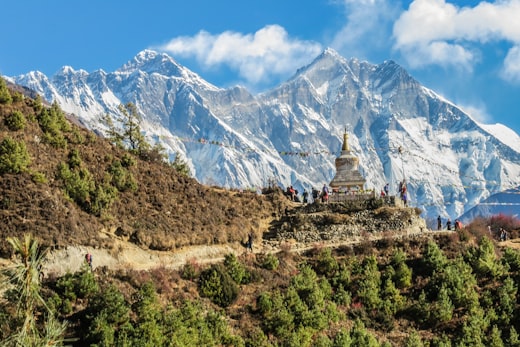
Île Bonaventure — 100,000 Gannets and Pristine Trails
A short boat ride from the Percé wharf, Île Bonaventure is home to one of the world's largest accessible northern gannet colonies — over 100,000 birds nesting on the island's sea cliffs from May to October. Walking trails cross the island through boreal forest to the colony on the far cliff — where the noise, the smell, and the sheer spectacle of tens of thousands of white birds nesting, soaring, diving, and arguing is overwhelming in the best possible way.
The boat trip itself is exceptional — boats circle Rocher Percé at close range before crossing to the island, providing outstanding views of the rock's arch and the surrounding cliffs.

Carleton-sur-Mer — The Warm Side of Gaspésie
The southern shore of the Gaspésie, along the Baie des Chaleurs, is a different world from the northern coast. The bay — named by explorer Jacques Cartier for its surprisingly warm waters — is sheltered and genuinely warm in summer, with water temperatures reaching 22°C. Carleton-sur-Mer is the main town: a charming, lively community with a casino, a long beach, a mountain (Mont Saint-Joseph) rising directly behind the town to a summit with panoramic views of the bay, and a flourishing local arts scene.
The annual Festival en Chanson (September) brings Quebec's finest singer-songwriters to outdoor stages in this picturesque setting.

Sainte-Anne-des-Monts & Whale Watching
The northern gateway to the Gaspésie's interior, Sainte-Anne-des-Monts sits where the Chic-Choc Mountains reach the St. Lawrence. The town itself is pleasant and practical, but its real value is as a base: the road to Parc de la Gaspésie starts here, and whale watching excursions depart from the town's wharf into the St. Lawrence, where minke and fin whales feed regularly in summer. The Exploramer marine museum provides excellent context on the St. Lawrence ecosystem.
Practical Information for Your Gaspésie Road Trip
When to Go
The optimal window for a Gaspésie road trip is July through early September. The weather is most reliable, all services are open, whales are present, and the gannet colony on Île Bonaventure is active. Late August and early September also see the beginning of the moose rut — bringing magnificent bull moose with their antlers to roadsides at dawn and dusk. October offers stunning autumn colour with fewer crowds but cooler, more variable weather.
Getting There
Most travellers start from Quebec City (460km to the beginning of the peninsula) or Montreal (600km). The Trans-Canada Highway (Route 20) to Rivière-du-Loup, then Route 132 around the peninsula, is the standard approach. A car is absolutely essential — there is no meaningful public transportation around the peninsula.
Where to Stay
The Gaspésie has a mix of charming auberges, motel-style accommodations, and excellent campgrounds in the national and provincial parks. Booking ahead for July and August is strongly recommended, particularly for Percé (the most popular destination). Forillon National Park's campgrounds fill quickly in peak season.
Plan Your Gaspésie Road Trip
Build a custom Quebec road trip itinerary — combining Gaspésie with Quebec City, Charlevoix, and the St. Lawrence valley — with expert planning from TripPlannerPro.
Plan My Road Trip Explore All of CanadaContinuing the Adventure
The Gaspésie circuit naturally connects to broader Maritime Canada adventures. From Carleton-sur-Mer, you can cross into New Brunswick — where the Acadian coast, Fundy tides, and Hopewell Rocks await. CanadaBestSpots.com covers the best destinations across all of Canada's Maritime provinces.
Back in Quebec, Charlevoix — the mountain-meets-fjord region northeast of Quebec City — makes a natural complement to the Gaspésie. See our complete Charlevoix guide and our ultimate Quebec travel guide for inspiration on building a longer Quebec itinerary.